21 April 2026, 10 a.m.
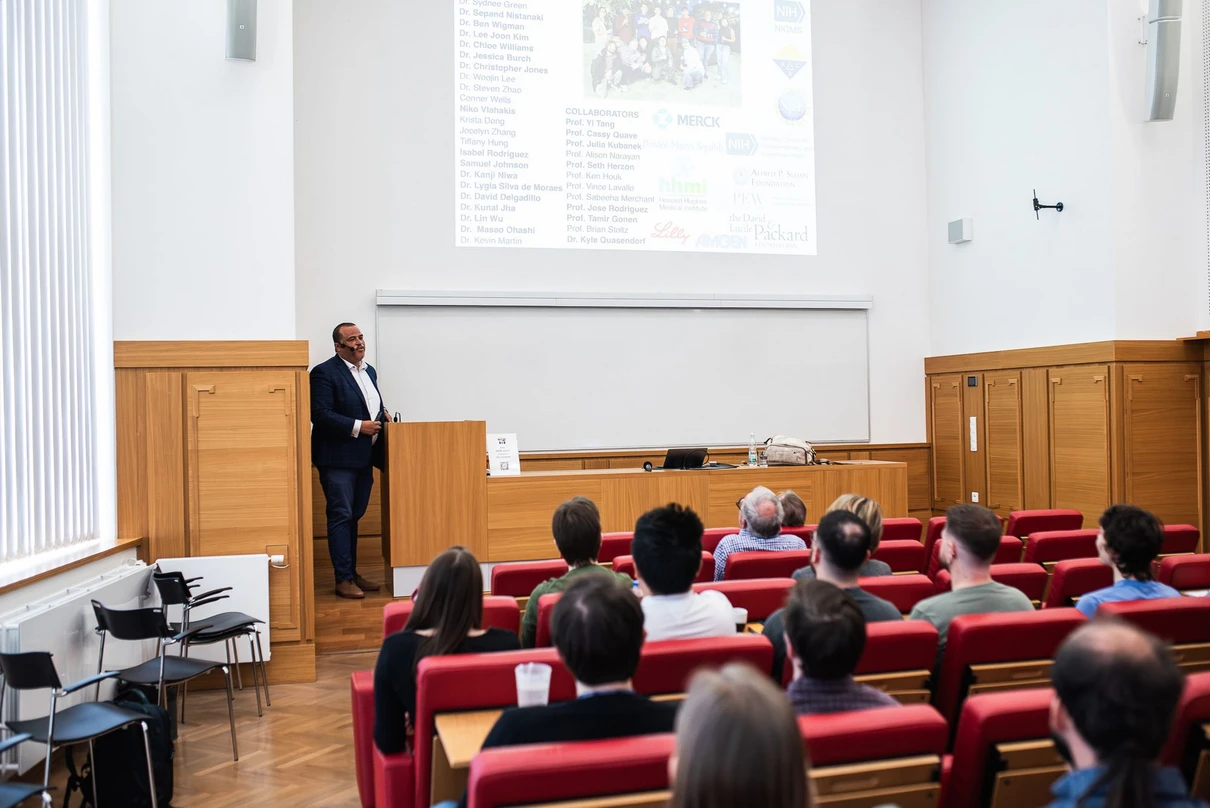
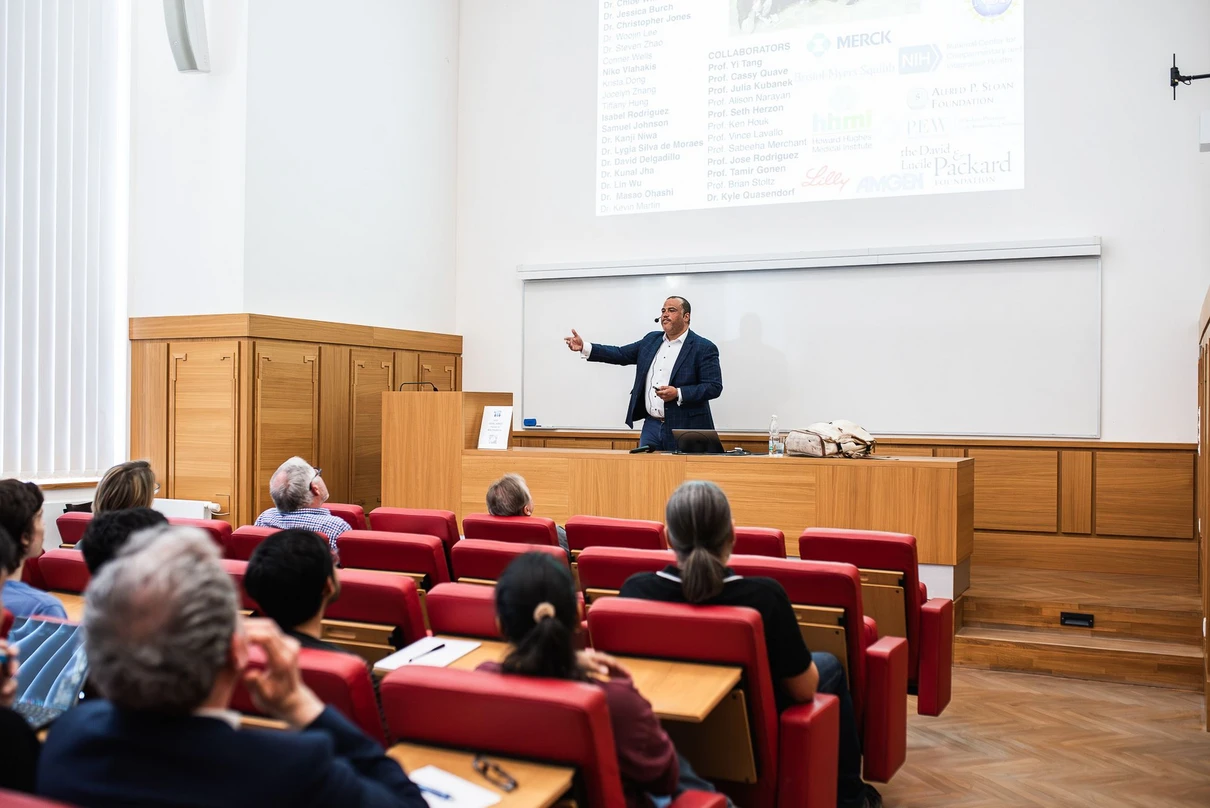
IOCB Prague, Lecture Hall
Abstract
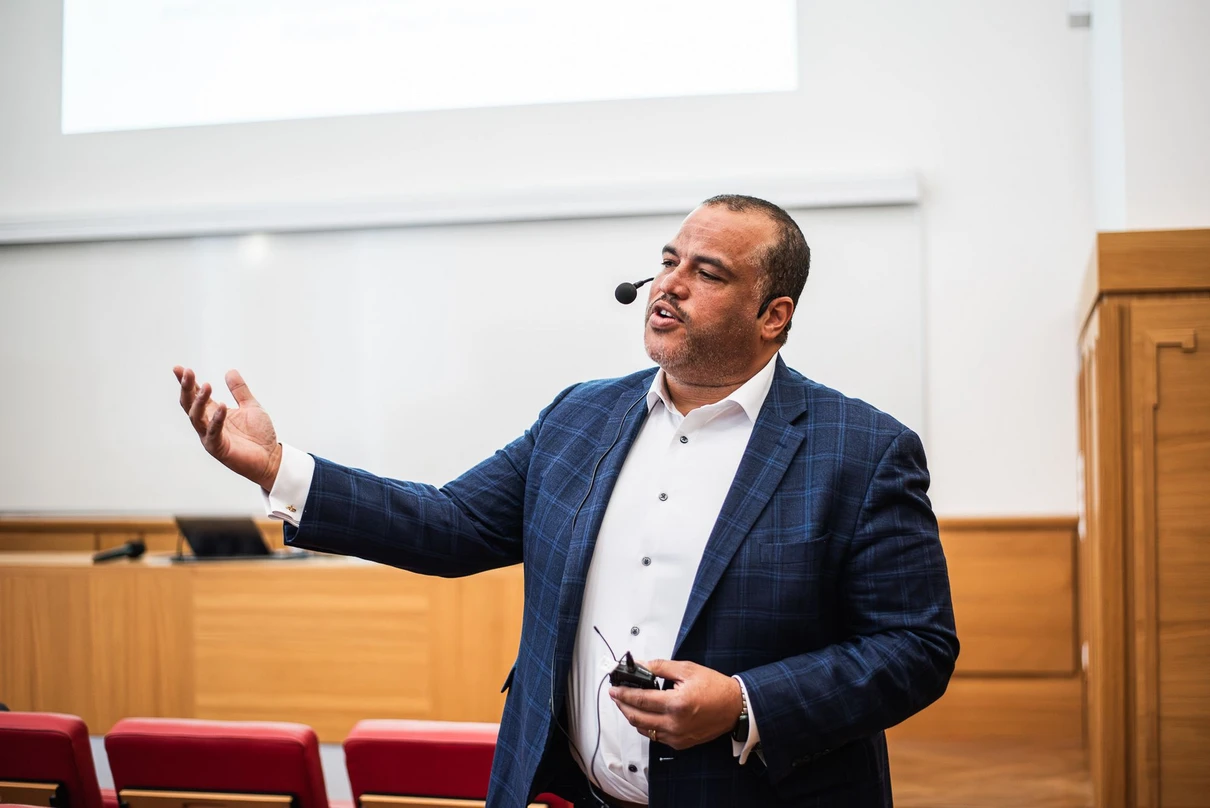
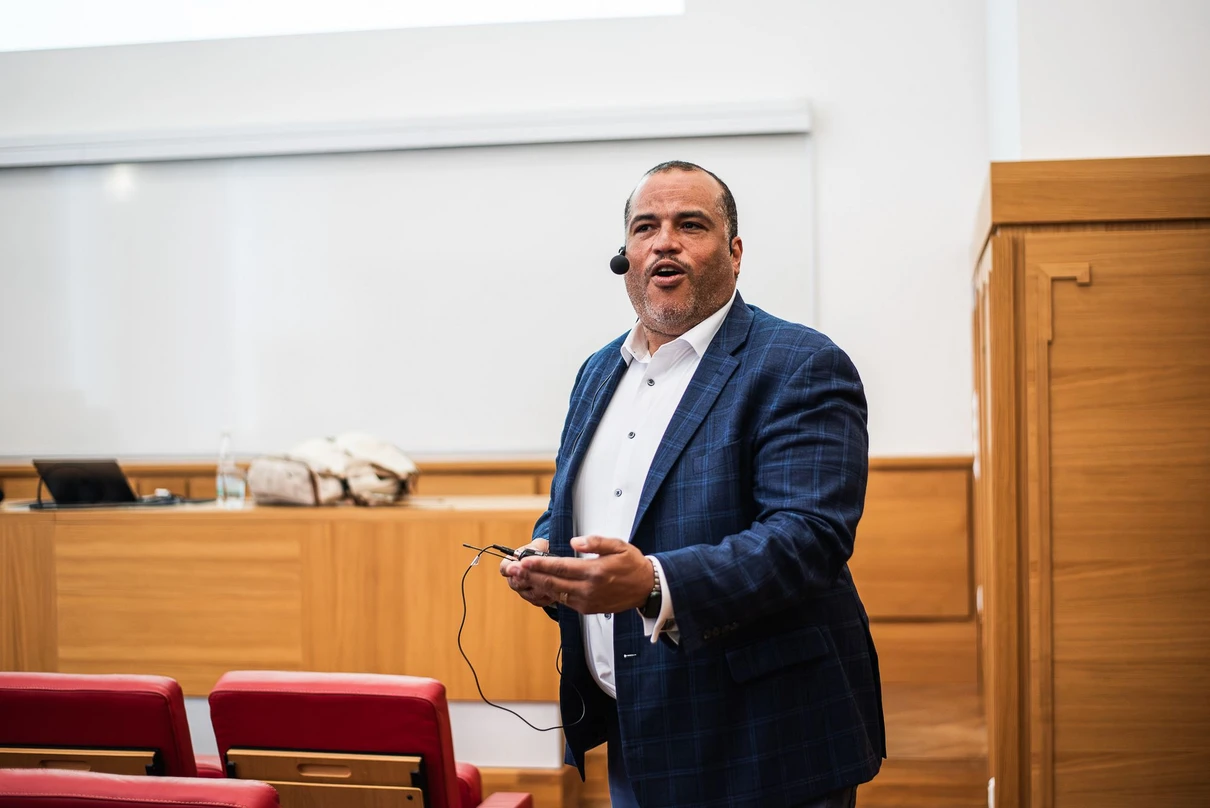
Chemical discovery is ultimately constrained by our ability to both create new molecules and see what we have made. In this seminar, I will describe our group’s efforts to address both challenges through the development of electron diffraction–enabled structural chemistry and the discovery of new reactions of high-energy carbocation intermediates.
On the structural side, we have contributed to pioneering efforts to apply electron diffraction (ED) to problems traditionally inaccessible to crystallography. These methods are used for structural determination from sub-micrometer crystals and heterogeneous solids, enabling rapid structural elucidation of natural products, pharmaceuticals, metabolites, minerals, and functional materials. I will highlight case studies spanning natural product discovery, drug development, and materials characterization, and describe our recent integration of AI-driven analysis and automated workflows aimed at democratizing access to ED as a general tool for chemical discovery.
Complementing these efforts, our synthetic program focuses on the development of fundamentally new reactions of dicoordinated, high-energy carbocations. We have uncovered mild and selective strategies to generate vinyl and aryl carbocations and to harness their reactivity for C–H functionalization and C–C bond formation, including enantioselective variants relevant to bioactive molecule synthesis. I will also discuss emerging efforts to leverage biological catalysts to generate and control such reactive carbocationic species, enabling productive and selective transformations that bridge enzymatic and small-molecule catalysis.
Together, these efforts illustrate a unified approach to chemical discovery in which new reactivity and next-generation structural methods co-evolve, accelerating our ability to discover, understand, and design complex molecules across chemistry, biology, and materials science.