


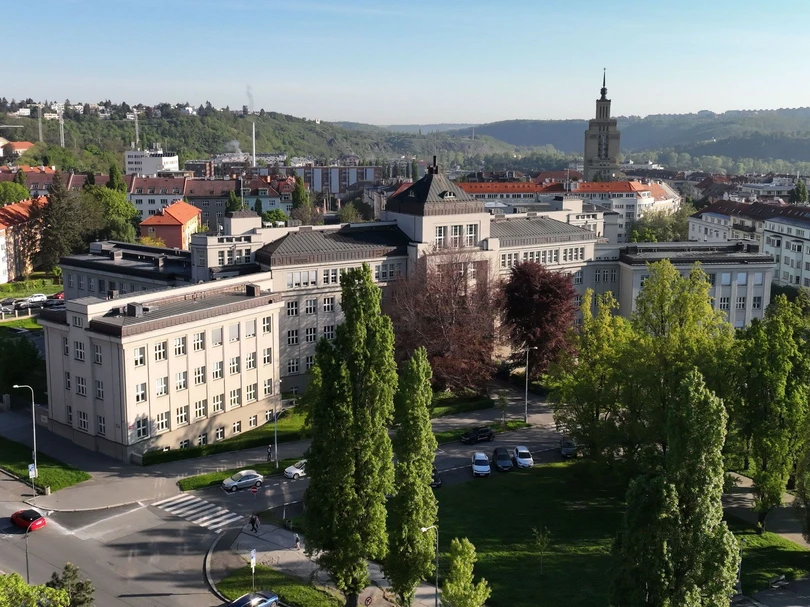
Two new junior research groups, led by Vyacheslav Tretyachenko and Maximilian Wranik, were established at IOCB Prague in early September. Both will explore different aspects of protein biology.
The first group, Biochemistry of Genetic Information Transfer, is led by Vyacheslav Tretyachenko. His team will focus on protein variants that arise because of errors during translation. The researchers will investigate whether these variants serve a function, how they arise in cells, and whether they may have evolutionary significance.
“Ribosomes occasionally make mistakes, so a single gene can give rise to dozens or even hundreds of slightly different protein variants. I think some of them may matter, because we often find amino acid substitutions near functional sites in proteins,” says Vyacheslav Tretyachenko, explaining one of the key questions driving his research.
Tretyachenko joins IOCB Prague from the Weizmann Institute of Science in Israel, where he had been a postdoctoral researcher since 2021. His research combines experimental and computational biology, with a particular focus on synthetic and systems biology, protein engineering, and molecular evolution. During his PhD at the Faculty of Science, Charles University, he also spent some time at IOCB Prague.
“What I like about Israeli science is that relationships are very informal and non-hierarchical, and I would like to follow this model in my own group. Another thing I liked at Weizmann was that people don’t give up when things aren’t working out,” he says, describing the atmosphere he hopes to create in his group.
How protein dynamics relate to disease
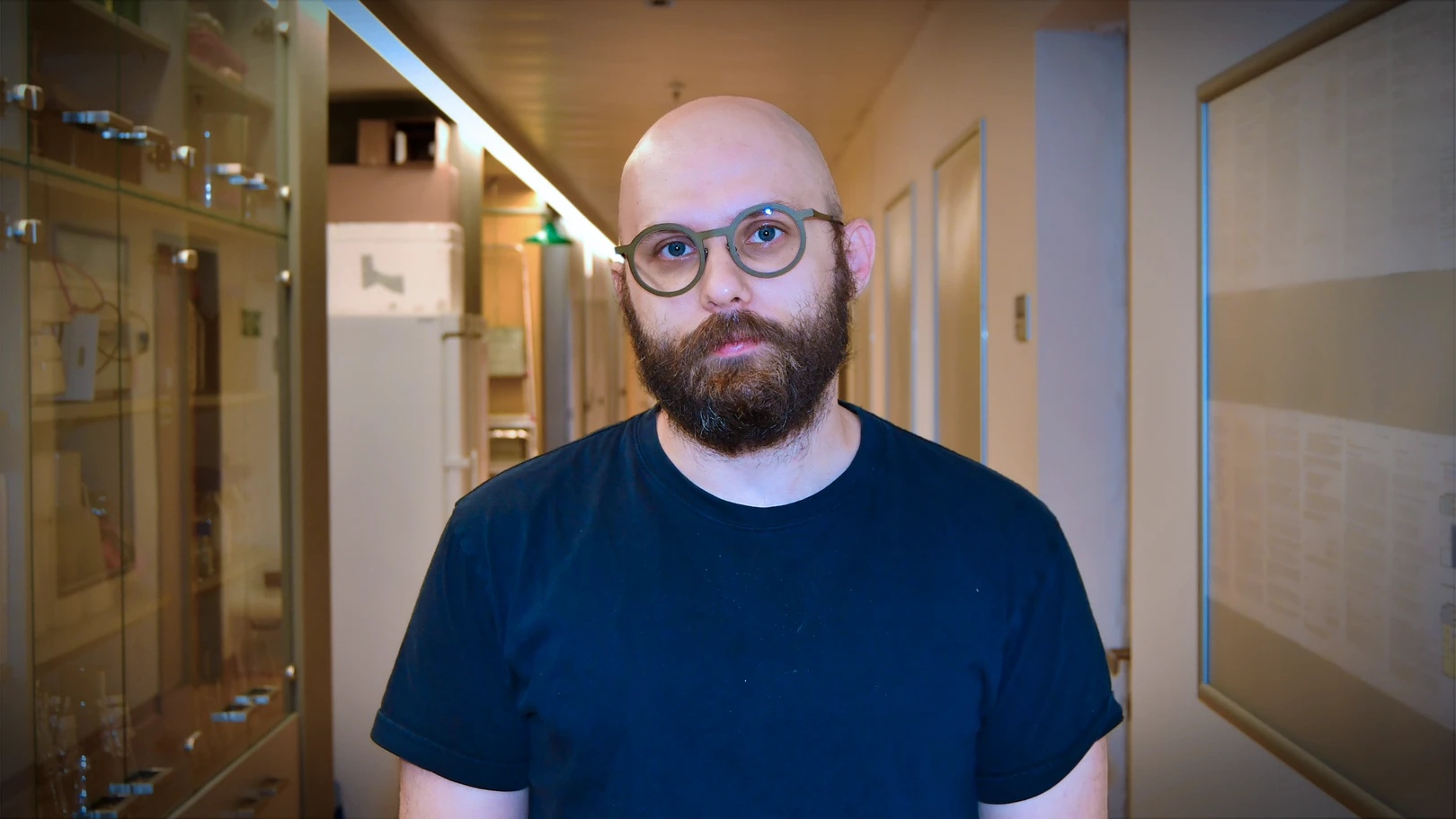
Maximilian Wranik will lead the Protein Dynamics for Therapeutic Innovation group, which will focus on understanding how proteins move and change their conformations to perform their functions, particularly in the context of disease. The group will combine time-resolved structural biology, biochemistry and cell biology with molecular dynamics simulations and computational drug discovery.
“In the longer term, we hope to translate our insights into disease-relevant protein dynamics into new strategies for therapeutic intervention. As we work towards turning these findings into therapeutic opportunities, it is great to have the IOCB Tech team on our side,” says Maximilian Wranik.
Wranik joins IOCB Prague after postdoctoral training at Stanford University School of Medicine and graduate studies at the Paul Scherrer Institute in Switzerland. His research has been driven by a fascination with how small molecules interact with their protein targets and how these interactions shape protein structure and function.
“Starting my group at IOCB Prague is an exciting new chapter for me. My first impressions have been extremely positive – the scientific curiosity and collaborative spirit are immediately apparent, and the many seminars and invited speakers provide wonderful opportunities for intellectual exchange and scientific inspiration. I have felt very welcome at the institute from the very beginning,” says Wranik, sharing his first impressions of IOCB Prague.
